

Understanding Foam Casting: A Revolutionary Technique in Metalworking
Release time:
2024-11-18 09:20
Source:

Foam casting is a unique and versatile manufacturing process that employs the use of a foam pattern to create complex metal components. This technique has gained traction in various industries, including automotive, aerospace, and general metalworking, due to its efficiency and capability to produce intricate designs with high dimensional accuracy.
The process begins with the creation of a foam pattern, typically made from expanded polystyrene (EPS) or polyurethane. This pattern is then coated with a refractory material, which forms a shell around the foam. Once the shell is set, the foam is vaporized during the metal pouring process, leaving behind a cavity that takes on the shape of the original foam pattern. This method allows for the production of complex geometries that may be challenging to achieve through traditional casting techniques.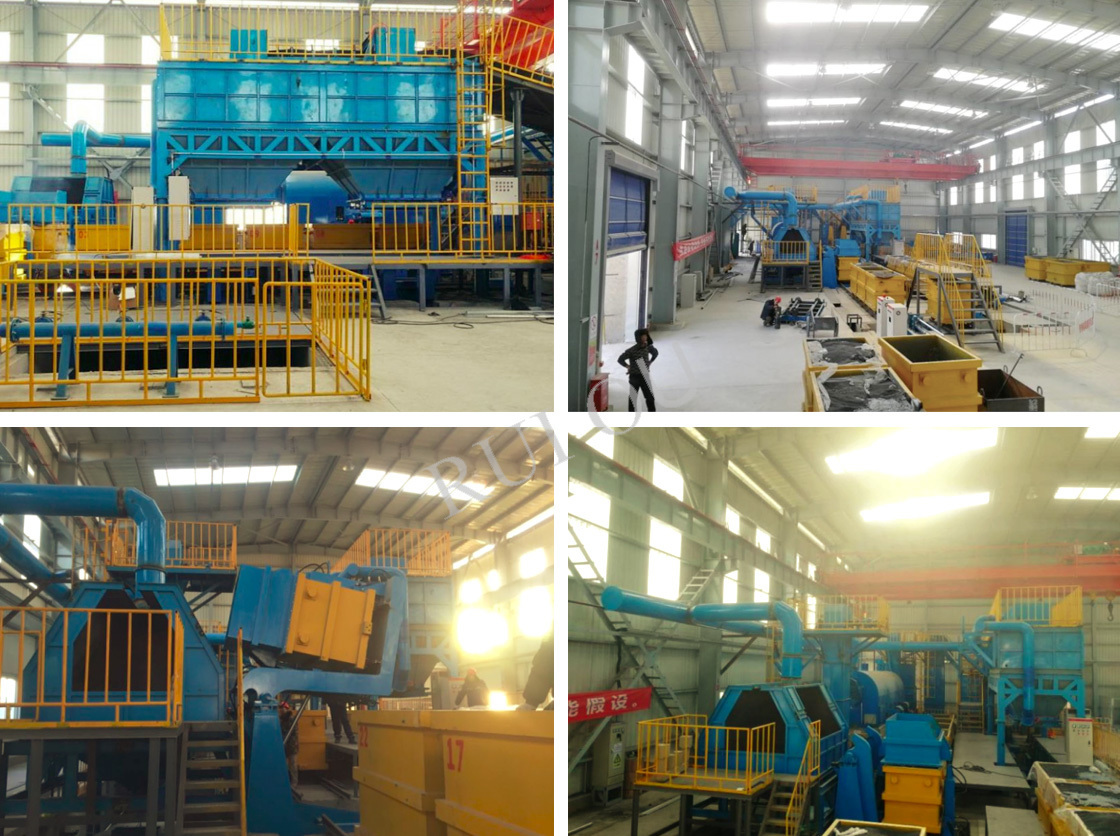
One of the primary advantages of foam casting is its ability to reduce lead times significantly. Traditional metal casting methods often require extensive tooling and machining, leading to longer production cycles. In contrast, foam casting eliminates the need for costly molds and allows for rapid prototyping. As a result, manufacturers can quickly iterate designs, which is especially beneficial in industries where rapid innovation is crucial.
Additionally, foam casting is an environmentally friendly option compared to conventional techniques. The foam used in this process can often be recycled, and the vaporization of foam during casting minimizes waste. This aligns with increasing industry standards for sustainability and responsible manufacturing practices.
The versatility of foam casting is another key advantage. It can accommodate a wide range of metals, including aluminum, bronze, and iron, making it suitable for a diverse array of applications. Moreover, the process is adaptable to both small-scale and large-scale production, allowing businesses of various sizes to incorporate it into their manufacturing workflows.
As industries continue to evolve, the demand for innovative manufacturing solutions will only increase. Foam casting stands out as a method that not only meets today’s manufacturing challenges but also paves the way for future advancements in metalworking. By embracing this technique, manufacturers can enhance their production capabilities, reduce costs, and remain competitive in a rapidly changing market.
In conclusion, foam casting represents a significant advancement in metal manufacturing processes. Its ability to produce complex geometries efficiently and sustainably positions it as a valuable technique for any manufacturer looking to improve their operations. As the industry progresses, understanding and leveraging foam casting could be a game-changer for businesses aiming to stay at the forefront of innovation.
Related News




Innovation Building, 453 Yuhua East Road, Shijiazhuang High-tech Zone



Social media